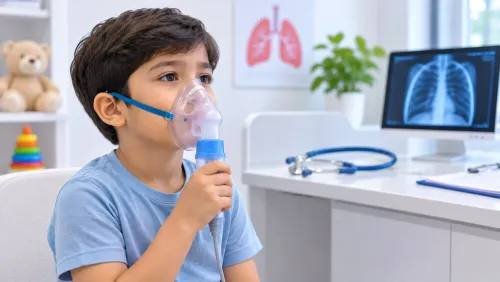

Several short viral infections can overlap, especially after a child starts daycare or school, but a cough that lasts beyond four weeks needs a different assessment. You will learn how to separate back-to-back colds from asthma, chronic wet cough, allergy, pertussis and other causes, then decide what home care, planned review or urgent help fits the symptoms.
Key takeaways
- Track cough timing, triggers, fever, breathing effort, and symptom-free intervals.
- Night cough, exercise-related cough, wheezing, or breathlessness needs asthma assessment.
- Avoid antibiotics, cough suppressants, and leftover inhalers without medical advice.
- Seek urgent help for fast breathing, chest pulling in, blue lips, or unusual drowsiness.
Are these separate colds or one cough that never ended?
A child cough and cold keep returning in Baner may reflect separate viral infections rather than one illness that never ended. Young children commonly have about eight or more colds each year, especially after starting school or daycare.
A new infection can begin before the cough from the previous one has fully settled, making repeated colds in children in Pune seem continuous.
To distinguish separate episodes from a persistent cough, check these points:
- Does your child become completely well between episodes, with normal energy, sleep and play?
- How long does each cough last, and is there a clear symptom-free interval?
- Do fever and a runny nose settle before the next episode starts?
- Is the child active and growing normally between illnesses?
A child who returns to normal between brief episodes is less suggestive of a serious immune problem. Poor growth, unusually severe or prolonged infections, recurrent pneumonia, persistent oral thrush or infections requiring intravenous antibiotics need medical assessment.
A cough lasting more than four weeks is chronic, even if it began with a cold. Arrange structured assessment rather than repeating treatment for an assumed infection, especially when the cough is wet every day, disrupts sleep or continues without a symptom-free interval.
Which cough patterns suggest asthma or another cause?
Asthma becomes more likely when coughing comes with wheeze, breathlessness, exercise or cold-air triggers, night waking, or a personal or family history of allergy. For a recurrent cough child in Baner, do not label isolated cough as asthma automatically; cough-predominant asthma needs clinical assessment.
| Pattern | Clues | What it may suggest |
|---|---|---|
| Dry cough after a cold | Improves as the child recovers; no daily wet mucus | Post-viral cough |
| Cough with wheeze | Worse at night, during exercise or in cold air; breathlessness may occur | Asthma or another airway condition |
| Daily wet or productive cough | Continues for more than four weeks | Protracted bacterial bronchitis or another airway problem |
| Severe coughing bouts | Vomiting, a whooping sound, or symptoms lasting weeks | Pertussis; vaccinated children can have milder disease |
| Sudden onset | Begins immediately after choking or eating | Inhaled foreign body |
A daily wet cough differs from a short dry cough after a cold and needs structured assessment. A cough lasting more than four weeks is chronic, so repeated cold treatment without reviewing the cause can delay appropriate care.
Seek medical advice for prolonged bouts, especially around infants, because pertussis testing and public-health guidance may be needed. Record night waking, exercise limitation, wheeze, prior prescriptions and response, vaccination status, smoke or mould exposure, and a short cough recording or symptom diary.
What home care helps, and which treatments create problems?
Fluids, saline nose drops or spray, and rest are usually enough for an uncomplicated viral cough and cold. Honey can soothe cough in children older than one year, but never give honey to an infant under one year because it can cause infant botulism.
Repeated colds in children in Pune can make symptoms seem continuous, especially when one cough overlaps another. Use this comparison before adding treatment:
| Option | Likely value | Main problem |
|---|---|---|
| Fluids | Prevent dehydration and soothe the throat | Forcing large amounts can cause vomiting |
| Saline drops or spray | Loosen nasal mucus and improve blocked-nose breathing | Do not share the bottle between children |
| Honey after age one | May reduce night-time coughing | Unsafe for infants under one year |
| Cough-and-cold medicine | Requires professional advice in young children | Incorrect products or doses can cause serious adverse effects |
| Antibiotic for thick yellow or green mucus | Does not treat an ordinary viral cold | Adverse effects and antibiotic resistance |
Thick yellow or green mucus does not prove a bacterial infection. Repeated antibiotics will not clear a viral cold; use them only when a clinician diagnoses or strongly suspects a bacterial condition.
Remove tobacco smoke from the home, car and other regular environments. Smoke increases respiratory symptoms and the risk of bronchitis, pneumonia, ear disease and more severe asthma. Ask every caregiver and frequent visitor to smoke outdoors, away from the child.
When does a child need urgent help or a planned review in Baner?
Do not wait for a routine appointment if your child is struggling to breathe or deteriorating quickly. Seek urgent assessment when you see:
- Marked breathing difficulty or chest indrawing between the ribs
- Blue or grey lips
- Inability to drink, very little urine, dry mouth or no tears
- Unusual sleepiness, confusion or difficulty waking
- Cough or breathing trouble that began suddenly after choking
- Rapidly worsening symptoms
A paediatric intensive or critical-care service is for escalation when these emergencies need hospital support, not for an uncomplicated cold. Call emergency services or go to the nearest emergency department rather than waiting for a child cough consultation in Balewadi.
Arrange a planned review when the cough lasts beyond four weeks, a wet cough occurs every day, or repeated episodes disturb sleep, play or exercise. Also book an assessment for poor growth, recurrent pneumonia, persistent oral thrush, unusually severe or prolonged infections, or any illness that required intravenous antibiotics.
Bring prior prescriptions, medicine names and responses, vaccination records, and a short cough recording or symptom diary. Note school or daycare exposure, smoke or mould, night and exercise symptoms, and nasal allergy signs.
Dr Pooja Gire Pediatrician Baner, Balewadi, Pune can use this history to decide whether outpatient care is appropriate or whether pediatric respiratory care near Baner needs escalation.
How can you make the respiratory assessment more useful?
Bring a dated symptom diary to a child cough consultation Balewadi so the clinician can see the pattern rather than rely on memory.
1. Record the child’s age, the cough’s start date, duration, and whether the child becomes completely symptom-free between episodes. Add fever, runny or blocked nose, wheeze, breathlessness, night waking, reduced activity, and any vomiting with coughing.
2. Note triggers and timing. Record symptoms during exercise, exposure to cold air, sleep, school or daycare, dust, mould, tobacco smoke in the home or car, and other regular environments.
3. List every previous prescription, including its name, dose if known, start date, and the response. State whether symptoms improved, returned after treatment, or never changed. Include antibiotics, inhalers, steroids and allergy medicines.
4. Add the child’s vaccination status, growth concerns, daily appetite and energy, recurrent pneumonia, persistent oral thrush, unusually severe infections, or treatment requiring intravenous antibiotics.
5. Record nasal allergy symptoms such as sneezing, itching, clear discharge and mouth breathing, plus family history of asthma, eczema, allergy or immune disorders. Keep a brief cough recording if safe and appropriate.
This information supports pediatric respiratory care near Baner by helping distinguish sequential viral infections from asthma, chronic wet cough, allergy, pertussis, an inhaled airway foreign body or less common systemic disease. The clinician still needs a physical examination before deciding on tests or treatment.
Frequently asked questions
Are repeated coughs and colds in children usually separate illnesses?
Often, yes. Children can catch one viral infection after another, especially after starting school or daycare. A symptom-free interval supports separate infections, while a cough lasting beyond three weeks needs review.
Which cough patterns suggest asthma or another cause?
Night-time cough, cough after running, wheezing, breathlessness, cough triggered by smoke or cold air, and repeated episodes suggest asthma assessment. A persistent wet cough, choking episode, or poor weight gain needs evaluation for other causes.
What home care helps a child with cough and cold?
Offer fluids, rest, saline nose drops, and honey for children older than one year. Keep smoke and strong fragrances away. Do not give antibiotics or over-the-counter cough medicines without medical advice.
When does a child with cough need urgent help?
Seek urgent care for fast or difficult breathing, ribs pulling in, blue or grey lips, pauses in breathing, severe dehydration, confusion, or unusual sleepiness. Arrange a planned review for a cough lasting over three weeks or recurring episodes.
How can you make a child respiratory assessment more useful?
Record symptom dates, fever readings, triggers, night waking, activity limits, medicines and doses, and exposure to smoke or dust. Bring videos of noisy breathing and all prescribed inhalers to the appointment.
Keywords