
A paediatric clinic can remain the right first point of care after a child enters adolescence, but only if its age policy, consultation style and referral arrangements fit a teenager’s needs. By checking those details before booking, you can distinguish routine adolescent care from services that belong in a hospital or specialist clinic.
Key takeaways
- Confirm the clinic’s upper age limit before booking a teenager’s appointment.
- Ask for private time to discuss mental health, puberty, relationships, and substance use.
- Check adolescent vaccines, growth, blood pressure, sleep, nutrition, and menstrual health.
- Use hospital care for breathing trouble, severe dehydration, confusion, or serious injury.
Does the clinic accept teenagers through age 18 or beyond?
A clinic treats teenagers through age 18 only if it states an upper age limit that includes them. Do not assume that “paediatric” means care continues until adulthood: some practices stop routine appointments at 12 or 14, while others accept patients through 18 or 21.
Ask these questions before booking:
- “What is the maximum age for routine consultations?”
- “Do you assess adolescents for preventive visits, puberty concerns and confidential conversations, or only treat childhood infections?”
- “What happens if a teenager needs urgent stabilisation or hospital admission?”
Check the answer on the clinic’s website, appointment form or written registration policy, then confirm it by phone. Ask whether an existing patient can continue care after turning 18, because a clinic may accept 18-year-olds but transfer older patients elsewhere.
A pediatric clinic for teenagers near Baner should explain its adolescent age range clearly and offer follow-up rather than ending care at the first birthday milestone. Search results for “pediatric clinic for adolescents Baner” are not proof of suitability; verify the clinician’s actual practice.
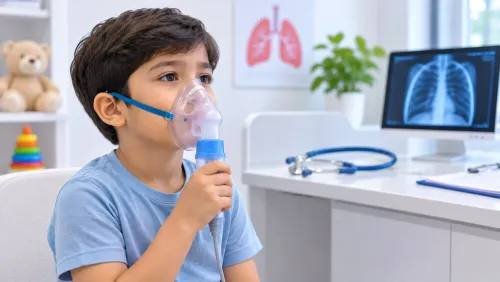
For routine care, confirm access to oxygen, resuscitation equipment and a hospital referral pathway. Severe breathing difficulty, blue lips, continuing seizures, altered consciousness, major bleeding or rapidly worsening illness requires emergency assessment, not a clinic appointment.
What should a teenager doctor in Baner cover beyond infections?
A routine adolescent consultation should assess growth, puberty, periods, nutrition, sleep, mood, school functioning, substance use, sexual-health questions and injury risks—not simply prescribe antibiotics. A teenager doctor in Baner should offer private time with the young person, explain which information stays confidential, and involve parents when safety or serious illness requires it.
Ask whether the clinician routinely discusses:
- Delayed or early puberty, painful or irregular periods, acne and body-image concerns
- Anxiety, low mood, self-harm thoughts, bullying, school refusal or falling grades
- Sleep duration, exercise, eating patterns, weight changes and possible substance use
- Sexual health, consent, contraception and symptoms needing gynaecology or endocrinology referral
| Care option | What the consultation covers | Sign of genuine teenage care |
|---|---|---|
| Infection-focused clinic | Fever, cough, examination and medication | Returns to illness treatment and avoids sensitive questions |
| Adolescent-capable outpatient clinic | Prevention, puberty, mental health, relationships, risk behaviour and referrals | Offers confidential interview time and age-appropriate screening |
| Hospital service | Complex assessment, observation, urgent treatment and specialist input | Provides emergency stabilisation, monitoring and a clear referral pathway |
A clinician does not need an on-site psychologist or gynaecologist to provide good adolescent care, but should recognise risk, document concerns and arrange referral. Ask where a deteriorating teenager would receive oxygen, resuscitation and hospital transfer; intensive-care expertise does not make an ordinary consultation room an emergency department.
How do privacy and mental-health conversations work for adolescents?
A private conversation with the teenager should be a normal part of the appointment, not something granted only after a crisis.
Ask whether the clinician explains confidentiality to both of you, spends some time with the adolescent alone, and clearly states the limits: imminent risk of serious harm, abuse, or danger to another person cannot stay confidential.
Before booking with an adolescent pediatrician in Balewadi, ask:
- How many minutes will the teenager have alone with the clinician?
- What can parents access through billing records, electronic notes, prescriptions, or test results?
- What information will be shared if the teenager discloses sex, substance use, self-harm thoughts, or family violence?
- How are consent and information-sharing handled under the clinic’s policy and applicable local law?
- Who provides follow-up if the assessment suggests counselling, psychology, psychiatry, or another specialist?
Watch for sleep or appetite changes, persistent irritability or sadness, withdrawal from friends, falling school performance, unexplained headaches or stomach pain, self-neglect, substance use, reckless behaviour, or talk of hopelessness or death. A direct question about self-harm does not plant the idea; it helps identify danger.
Ask for urgent help if the teenager has a suicide plan, recent attempt, severe intoxication, psychosis, immediate abuse risk, or cannot stay safe. Do not leave them alone while arranging emergency care. A clinic can begin assessment and referral, but it must not delay hospital treatment for immediate danger.
Which preventive, puberty and vaccination needs belong in adolescent care?
Preventive adolescent care should review growth, puberty, periods, nutrition, sleep, immunisation and safety at planned visits, not only after illness appears. A pediatric clinic for adolescents Baner families consider should ask about these areas directly and offer private time for sensitive answers.
Use this checklist during the appointment:
- Plot height, weight and body-mass index; assess puberty against expected development, including delayed or unusually early changes.
- Ask about period age at onset, cycle pattern, pain, bleeding volume and missed periods. Severe pain, soaking pads hourly, fainting or pregnancy concerns need prompt assessment.
- Review meals, exercise, body-image concerns and possible restrictive eating, alongside sleep duration, bedtime, snoring and daytime fatigue.
- Match previous records with India’s current immunisation schedule. Discuss HPV, tetanus-diphtheria or Tdap, hepatitis B, MMR, influenza and other vaccines according to age, prior doses and current recommendations.
- Screen for anxiety, low mood, self-harm thoughts, substance use, bullying, unsafe relationships and falling school performance.
A listing such as adolescent pediatrician balewadi does not prove that every concern is managed on site. Confirm the referral route.
| Care need | Appropriate next step | Reason |
|---|---|---|
| Routine growth, vaccines or sleep review | Paediatric clinic | Preventive follow-up |
| Persistent period problems, delayed puberty or eating concerns | Gynaecology, endocrinology or dietetic referral | Requires focused evaluation |
| Self-harm thoughts, severe restriction or acute safety risk | Urgent mental-health or hospital assessment | Immediate safety takes priority |
Ask whether referrals are arranged and tracked rather than merely suggested.
When is a local clinic suitable, and when does a teenager need hospital care?
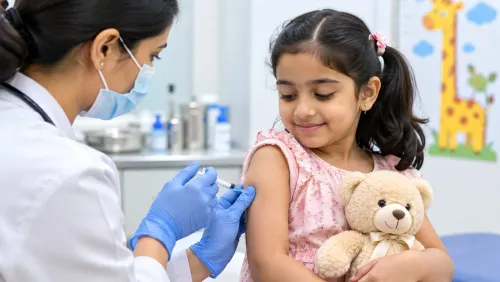
A pediatric clinic for teenagers near Baner suits routine reviews, vaccination, nutrition, puberty concerns, mild illness and follow-up when the teenager is stable. Ask whether the clinic has oxygen, resuscitation equipment, trained staff and a named hospital referral pathway before relying on it for urgent problems.
| Option | What it can provide | When it applies |
|---|---|---|
| Local outpatient clinic | Examination, treatment, preventive care and referral planning | Stable symptoms, routine reviews and follow-up |
| Hospital emergency department | Immediate assessment, monitoring, intravenous treatment, imaging and specialist escalation | Severe breathing difficulty, blue lips, altered consciousness, continuing or repeated seizure, major bleeding, severe dehydration or rapidly worsening illness |
| Paediatric intensive-care unit | Continuous monitoring and organ support | Critical illness that cannot be safely managed in a consultation room |
Dr Pooja Gire Pediatrician Baner, Balewadi, Pune offers a useful outpatient comparison point because families can assess paediatric consultations alongside vaccination and nutrition care, while recognising that paediatric intensive and critical-care expertise does not turn every clinic visit into hospital intensive care.
Ask what happens after a serious finding: who calls the hospital, which facility receives the teenager, whether transport must be arranged by the family and how test results are transferred.
A teen child clinic in Pune is a good fit when it can manage stable adolescent needs and make a clear, rapid referral; choose hospital care immediately when emergency signs appear.
Frequently asked questions
Does a pediatric clinic near Baner accept teenagers through age 18 or beyond?
Ask the clinic for its stated upper age limit. Some paediatric practices stop routine appointments at 12 or 14, while others provide care through 18 or 21.
What should a teenager doctor in Baner cover beyond infections?
Adolescent care should include growth and blood pressure checks, sleep, nutrition, exercise, puberty, menstrual or sexual health, mental health, substance use, and chronic conditions.
How do privacy and mental-health conversations work for adolescents?
A clinician can begin with a parent or guardian, then offer private time with the teenager. Explain confidentiality limits clearly, especially when there is immediate risk of harm, abuse, or danger.
Which preventive, puberty, and vaccination needs belong in adolescent care?
Review puberty development, menstrual concerns, sleep, nutrition, physical activity, oral health, and immunisation records. Ask which vaccines are due according to the teenager’s age and previous doses.
When is a local clinic suitable, and when does a teenager need hospital care?
A local clinic suits routine reviews, vaccinations, minor illness, puberty concerns, and ongoing conditions. Seek hospital care for severe breathing difficulty, uncontrolled bleeding, serious injury, seizures, confusion, or severe dehydration.
Keywords