
Parents often need help deciding whether a concern belongs in a routine child-health visit or needs same-day medical attention. By the end, you will know which growth, feeding, development, vaccination, prevention and common illness concerns a well baby clinic can assess, and which warning signs require emergency care.
Key takeaways
- Track weight, length and head circumference against WHO growth standards.
- Ask about feeding if weight gain slows or your baby tires during feeds.
- Seek faster assessment for newborn breathing difficulty, poor feeding or unusual sleepiness.
- Escalate care for breathing trouble, dehydration, persistent vomiting or a very unwell child.
Growth, feeding and nutrition concerns a clinic can uncover
A baby may appear well while growth is slowing or feeding is inefficient. The key is not one weight, but the pattern over time: weight, length, head circumference and weight-for-length plotted against WHO growth standards. A downward crossing through centile channels deserves assessment, even when the baby remains cheerful.
The search phrase baby health checkup Baner often reflects a practical concern: “Is my baby gaining enough?” A clinician can find answers by:
- Comparing current measurements with earlier records, rather than judging size by appearance.
- Watching a breastfeed for latch, swallowing, feeding duration and tiredness, or reviewing formula quantity, mixing and frequency.
- Asking about vomiting, wet nappies, stool patterns and whether feeds are unusually prolonged or difficult.
- Reviewing maternal concerns that may not be visible during a brief home feed.
After about six months, a well baby clinic for Baner child problems can also identify delayed complementary feeding, limited food variety, unsafe preparation and choking risks. Complementary foods should add iron-rich, energy-dense and age-appropriate foods to milk feeds, not abruptly replace them.
WHO recommends exclusive breastfeeding for about six months, then continued breastfeeding with suitable complementary foods up to two years or beyond. Bring the growth chart, feeding notes, formula tin and questions about portions or textures.
Development, vaccines and everyday prevention
Beyond weight, expect a developmental surveillance check: the clinician will ask about movement, speech or sounds, social interaction, sleep and age-appropriate skills. This can identify a delay early and prompt hearing, vision or developmental assessment rather than waiting for school.
For well baby clinic Balewadi concerns, ask the clinician to review:
- Developmental milestones and any loss of a skill
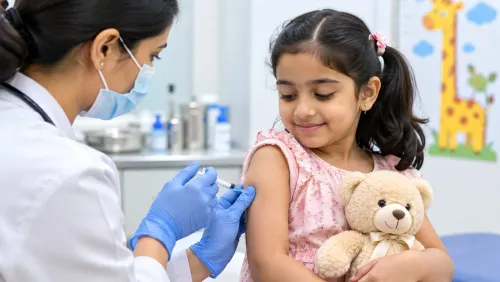
- Vaccination records against India’s National Immunization Schedule, including missed doses and catch-up plans
- Physical examination findings such as head shape, hips, heart, skin and general health
- Safe sleep: back-sleeping on a firm, flat surface, no pillows or loose bedding, room-sharing without bed-sharing, and no overheating or smoke exposure
- Injury prevention, including car-seat use, falls, burns, drowning, poisoning and choking risks
- Complementary feeding after about six months, including food variety, safe preparation, age-appropriate textures and continued milk feeds
Take the paper vaccination card and digital record. The clinician can check whether prematurity, a recent illness or planned travel changes vaccine timing; a valid series does not usually need restarting because of a delay.
Prevention also includes checking feeding practices, hand hygiene and household smoke exposure. Seek emergency care instead of waiting for a routine slot if the child has fast breathing, chest indrawing, grunting, breathing pauses, blue or grey colour, cannot feed or is unusually drowsy.
Newborn warning signs that need faster assessment
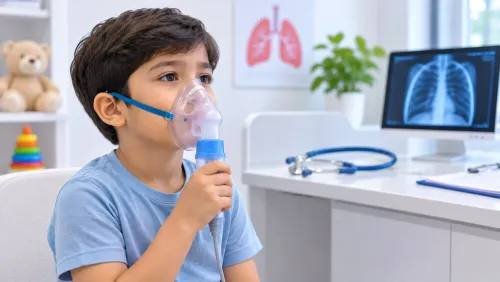
A baby who is blue, struggling to breathe, unusually difficult to wake or unable to feed needs emergency care, not a routine appointment. Respiratory complaints are important infant health problems in Pune, but fast breathing, chest indrawing, grunting or pauses in breathing can worsen quickly.
Arrange same-day medical assessment for persistent jaundice, poor feeding, fewer wet nappies, marked sleepiness, abnormal breathing, fever or failure to regain birth weight. Fever in a newborn or very young infant should not be blamed on teething; a history of fever also matters.
- Go to emergency care now for blue or grey lips or skin, severe breathing difficulty, repeated pauses in breathing, seizures, limpness or inability to wake the baby.
- Seek urgent assessment today for a temperature of 38°C or higher in an infant under three months, poor feeding, repeated vomiting, very low urine output or worsening jaundice.
- Contact a clinician promptly when the baby is not regaining weight, remains unusually sleepy or has breathing that is persistently fast.
For a baby health checkup in Baner, use this comparison to choose the next step:
| Urgency | Warning signs | Action |
|---|---|---|
| Emergency now | Blue colour, severe breathing trouble, pauses, unresponsiveness | Go to an emergency department |
| Same-day assessment | Fever, poor feeding, few wet nappies, persistent jaundice | Call a clinician urgently |
| Routine visit | Mild concern with normal feeding, breathing and alertness | Book a well-baby appointment |
Breathing, fever, vomiting and diarrhoea: when routine care must escalate
A clinician can assess common infant illness by checking temperature, breathing rate, chest movement, feeding, urine output, weight, alertness and hydration. This helps distinguish a manageable episode from infant health problems in Pune that need same-day treatment. A well baby clinic for Baner child problems is not a substitute for emergency care.
| Situation | What the clinician checks | Appropriate action |
|---|---|---|
| Mild cough, fever or loose stools | Breathing effort, temperature, feeding, hydration and overall behaviour | Arrange a clinic assessment if the baby remains alert and feeds |
| Vomiting or diarrhoea without danger signs | Wet nappies, weight, ability to drink, sunken eyes and stool or vomit | Use oral rehydration as advised and continue breast or milk feeds |
| Fever in a baby under three months | A measured temperature of 38°C or higher, feeding and alertness | Seek same-day medical assessment |
| Severe illness | Breathing difficulty, circulation, consciousness and oxygen level | Go directly to emergency care |
Do not wait for a routine slot if the baby has:
- Fast breathing, chest indrawing, grunting, breathing pauses, or blue or grey lips or skin
- Inability to breastfeed or drink, repeated vomiting, very little urine, sunken eyes, blood in stool, marked weakness or unusual drowsiness
- Fever of 38°C or higher in a young infant, especially with poor feeding or lethargy
Do not start antibiotics solely for diarrhoea; the clinician decides treatment after examination.
Choosing the right local visit for a specific concern
A well baby appointment in Baner or Balewadi is useful for gradual concerns: slow or uneven growth, feeding difficulty, delayed milestones, sleep problems, vaccine review or safety questions.
It is not the right next step for fast breathing, chest indrawing, grunting, breathing pauses, blue or grey skin, inability to feed or unusual drowsiness; go to emergency care.
For well baby clinic balewadi concerns, book a visit after six months if complementary foods remain delayed, lack variety, are prepared unsafely or include choking hazards. Milk feeds should continue while suitable foods are added.
If you searched for baby health checkup baner, ask the clinician to plot weight, length, head circumference and weight-for-length against WHO standards and explain the trend, not just one percentile.
Bring these items:
- Immunisation record, previous prescriptions and recent reports
- A two- or three-day feeding, vomiting, stool and sleep record
- Videos of unusual movements, breathing or feeding, if safe to capture
- Your questions about development, smoke exposure, sleep position and injury prevention
Ask whether milestone surveillance covers language, social interaction, movement and problem-solving, and whether formal screening or referral is needed. Dr Pooja Gire Pediatrician Baner, Balewadi, Pune can help families decide whether a preventive review, illness appointment or faster assessment fits the concern.
| Visit type | Best use | Action |
|---|---|---|
| Routine well baby | Prevention and gradual concerns | Book an appointment |
| Same-day paediatric review | New but stable illness | Seek prompt assessment |
| Emergency care | Danger signs | Go now |
Frequently asked questions
What growth problems can a well baby clinic identify?
A clinic can identify slowing weight gain, poor weight-for-length, reduced head growth and a downward crossing through WHO growth-standard centile channels.
Which feeding concerns should parents raise during a baby health checkup in Baner?
Raise concerns about tiring during feeds, poor latch, prolonged feeds, frequent vomiting, too few wet nappies or weight gain that has slowed.
When do newborn warning signs need faster assessment?
Arrange faster assessment for breathing difficulty, blue or grey lips, poor feeding, unusual sleepiness, fever, repeated vomiting or fewer wet nappies.
When should routine care escalate for fever, vomiting or diarrhoea?
Escalate care when a child has breathing difficulty, cannot keep fluids down, shows dehydration, becomes unusually drowsy or appears seriously unwell.
How do I choose the right local visit for a specific child health concern?
Use a routine well baby visit for growth, feeding, development, vaccines and prevention; contact a paediatrician promptly for warning signs or worsening symptoms.
Keywords