
Breathing trouble, altered consciousness, prolonged seizures, poisoning, severe dehydration and rapidly worsening illness need a decision about emergency help, not routine appointment timing. You will learn which signs require 112 or 108, what to do during transport, what happens at the hospital, and how to confirm whether the available team can provide age-appropriate critical care.
Key takeaways
- Go immediately for breathing difficulty, blue lips, unresponsiveness or prolonged seizures.
- Call 112 or 108 when the child needs urgent transport or cannot travel safely.
- Bring medicines, allergies, medical records and identification to speed emergency assessment.
- Emergency, outpatient and intensive-care teams provide different levels of monitoring and treatment.
Which child symptoms require immediate emergency attention?
A child needs immediate hospital assessment when breathing, circulation, consciousness or hydration is failing. Go now for chest retractions, grunting, very fast breathing, blue or grey lips, inability to speak or cry normally, severe allergy with facial swelling or breathing trouble, unresponsiveness, or a seizure lasting more than five minutes.
- Treat a measured temperature of 38.0°C or higher in an infant younger than 3 months as urgent, even if the baby appears comfortable.
- Seek emergency care for repeated vomiting with unusual sleepiness, no urine for eight hours, a very dry mouth, no tears, cold or mottled skin, or inability to drink.
- After a head injury, emergency signs include repeated vomiting, worsening headache, confusion, difficult waking, unequal pupils, weakness, seizure, or blood or clear fluid from the nose or ear. A child need not lose consciousness to have a serious injury.
- Take any suspected poisoning or overdose seriously, even without symptoms. Bring the container or a photograph and note the product, estimated amount and time; do not induce vomiting or give milk or home remedies.
| Finding | Why it is dangerous | Appropriate response |
|---|---|---|
| Breathing failure, shock or altered consciousness | The child may need airway support, oxygen, fluids and continuous monitoring | Use emergency services or go to a hospital emergency department |
| Severe allergy or seizure | Rapid deterioration can occur | Seek immediate emergency care |
| Mild fever in an alert, drinking older child | Appearance and hydration are reassuring | Contact a pediatrician for same-day advice if symptoms persist |
Pediatric emergency services should provide age-appropriate resuscitation equipment and rapid escalation for critical child conditions.
Should you call 112 or 108, drive to the emergency department, or call a pediatrician?
Call 112 or 108 when your child has breathing failure, blue or grey lips, shock, altered consciousness, a seizure lasting five minutes or longer, severe allergic reaction, major injury or suspected sepsis. Do not drive a child who is struggling to breathe, repeatedly seizing or difficult to wake over a long distance without emergency support.
| Option | Choose it when | What to do |
|---|---|---|
| 112 or 108 ambulance | Airway, breathing or circulation is failing; consciousness is altered; serious injury or poisoning needs monitoring | Give the dispatcher your location, age and symptoms. Keep the child on their side if drowsy or vomiting, and follow instructions. |
| Drive to a hospital emergency department | The child is alert and breathing comfortably but needs urgent assessment for dehydration, repeated vomiting, high fever with lethargy or a worsening injury | Use a second adult to watch the child, secure them in a car seat or seat belt, and take medication records. |
| Same-day pediatrician visit | The child is stable, drinking, urinating and interacting normally, with no danger sign | Arrange assessment today; do not wait for a routine appointment if symptoms worsen. |
For a child hospital emergency in Pune, confirm that the destination provides continuous monitoring, pediatric resuscitation equipment and critical-care escalation before travelling when time allows. During a seizure, protect the head, remove nearby hazards and never restrain the child or put anything in the mouth.
For poisoning, carry the container or a photograph, note the time and estimated amount, and do not induce vomiting or give milk or home remedies.
What happens when a critically ill child reaches the emergency department?
Triage starts immediately, before registration is complete. A child who arrives later may be seen first because triage ranks danger, not queue position.
- Resuscitation: breathing failure, blue or grey lips, unresponsiveness, shock, prolonged seizure, severe anaphylaxis or suspected sepsis.
- Emergency: serious dehydration, poisoning, major injury, altered alertness or rapidly worsening breathing.
- Urgent: significant pain, fever in a young infant, persistent vomiting or a condition needing prompt review but without immediate instability.
- Non-urgent: stable problems that can safely wait for assessment.
A pediatric emergency doctor Baner assesses the child’s age, weight, temperature, heart rate, breathing rate, oxygen saturation, blood pressure, alertness and appearance. The clinician asks when symptoms began, how they changed, medicines or allergies, existing illnesses, recent food or injury, urine output, possible ingestion and the treatment already given.
Stabilization comes before a complete diagnosis. Staff may position the airway, give oxygen, check blood glucose, control bleeding, start intravenous or intraosseous access, give fluids or medicines, and treat anaphylaxis with intramuscular adrenaline in the outer mid-thigh.
Once the child is safer, investigations target the suspected problem. These can include blood tests, blood-gas analysis, urine testing, chest imaging, ultrasound, CT or an electrocardiogram. A pediatric intensivist, surgeon, anaesthetist or another specialist may join the assessment.
If required equipment or expertise is unavailable, transfer to a better-equipped unit is a safety decision, not proof that initial care failed.
How do emergency, outpatient and pediatric intensive-care services differ?
Choose by the level of support your child needs, not by the word “pediatric” on a hospital sign.
| Option | What it provides | When it applies |
|---|---|---|
| Pediatric emergency department | Rapid assessment, oxygen, nebulization, intravenous fluids, monitoring, resuscitation and urgent investigations | Breathing trouble, dehydration, injury, poisoning, seizures or sudden deterioration |
| Outpatient clinic | Examination, diagnosis, prescriptions, follow-up and referral without continuous monitoring | Stable symptoms when the child is alert, breathing comfortably and drinking |
| PICU | Continuous monitoring, pediatric ventilators, blood-gas testing, invasive procedures and specialist-led organ support | Shock, respiratory failure, prolonged seizures, invasive or non-invasive ventilation, or risk of organ failure |
Ask the hospital directly: Is a pediatrician physically present 24 hours a day? Is a pediatric intensivist in-house or on call? Is there a staffed PICU, pediatric ventilator, blood bank, blood-gas analyser, pediatric imaging and an age-appropriate transport pathway?
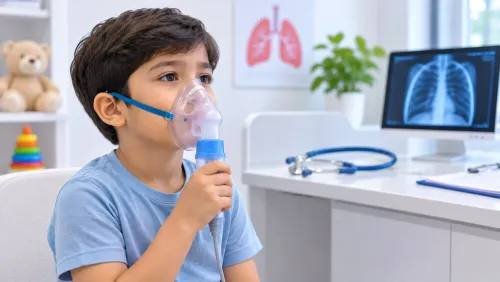
Oxygen or intermittent nebulization does not automatically mean PICU admission; the decision depends on response, monitoring needs and local capacity. Intravenous or intraosseous fluids may be needed for shock or severe dehydration. A pediatric emergency doctor may call a surgeon, anesthetist, neonatologist or intensivist, or arrange transfer when the required equipment or specialist is unavailable.
Families comparing critical child care Manipal Hospital Baner with critical pediatric care Balewadi options can verify these capabilities before travel. Dr Pooja Gire Pediatrician Baner, Balewadi, Pune can also help distinguish a stable outpatient problem from one needing hospital assessment.
Related service
Pediatric Emergency Services and IPD Services at Manipal Hospital Pediatric Emergency Services and IPD Services at Manipal Hospital Dr Pooja Gire is a trusted Pediatric Doctor and Pediatric Intensivist in Pune, providing comprehensive medical care for newborns, infants, children,... View service → |
How should you prepare for hospital care, admission or transfer?
Before leaving, call the destination emergency department to confirm the entrance, 24-hour pediatric coverage, PICU beds, pediatric transport arrangements and whether the child needs immediate transfer elsewhere. A hospital’s general emergency listing does not prove that every pediatric service is available.
This matters when searching for a child hospital emergency in Pune or comparing critical child care Manipal Hospital Baner.
1. Pack the child’s identity document, vaccination record, recent prescriptions, discharge summaries, allergy details, current weight and a list of medicines with doses and times. Add recent test results and a phone charger.
2. For poisoning or ingestion, write down the product name, concentration, amount missing, time swallowed, container or photograph of its label, and the child’s weight. Do not induce vomiting or give food, milk or activated charcoal unless a clinician instructs you.
3. Ask about registration, deposit, insurance documents, pharmacy access and likely costs for emergency treatment, admission, investigations, intensive care and ambulance transfer. Arrange childcare, work leave and transport for the accompanying adult; admission can last hours or days.
During admission, expect repeated vital-sign checks, oxygen monitoring, blood pressure measurements, urine tracking, blood tests, imaging, intravenous medicines or respiratory support. Ask which clinician is responsible, what requires PICU care and how often updates will be provided.
If transfer is recommended, request the receiving hospital’s name, accepting doctor, transport type, equipment and estimated departure time. Keep copies of every result and prescription with the child.
Frequently asked questions
Which child symptoms require immediate emergency attention?
Seek immediate hospital assessment for chest retractions, grunting, very fast breathing, blue or grey lips, inability to speak or cry normally, severe allergy with facial swelling or breathing trouble, unresponsiveness, or a seizure lasting more than five minutes.
Should I call 112 or 108, drive to the emergency department, or call a pediatrician?
Call 112 or 108 when the child has life-threatening symptoms, needs medical supervision during transport, or cannot travel safely. Drive to the emergency department when the child is stable enough for private transport. Call a pediatrician for guidance when symptoms are concerning but the child has no emergency warning signs.
What happens when a critically ill child reaches the emergency department?
The team performs rapid triage, checks breathing, circulation and consciousness, records vital signs, starts stabilisation, and orders tests or specialist treatment based on the child’s condition. The child may then go home, stay for observation, be admitted, or transfer to intensive care.
How do emergency, outpatient and pediatric intensive-care services differ?
Emergency services stabilise sudden or severe illness, outpatient care assesses children who do not need immediate hospital treatment, and pediatric intensive care provides continuous monitoring and organ support for children with critical illness.
How should I prepare for hospital care, admission or transfer?
Bring the child’s identification, medication list, allergies, vaccination and medical records, recent test results, and the treating doctor’s contact details. Pack essential medicines and avoid delaying transport to collect belongings.
Keywords