

A child with fever, cough, a blocked or runny nose, or suspected allergies needs more than a temperature check. You will learn what the clinician examines first, which symptoms require urgent escalation, when tests or antibiotics make sense, and how to prepare for a useful visit.
Key takeaways
- Triage checks temperature, pulse, breathing, hydration, alertness and oxygen saturation.
- The doctor combines symptoms, examination findings and illness duration before recommending tests or medicines.
- Bring medicine details, allergy history and symptom timing to support a faster assessment.
- Confirm follow-up timing and warning signs before leaving the clinic.
What happens during triage when you arrive with a sick child?
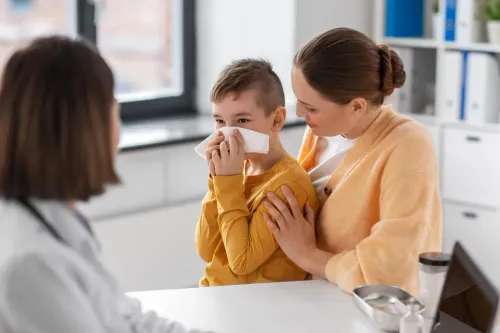
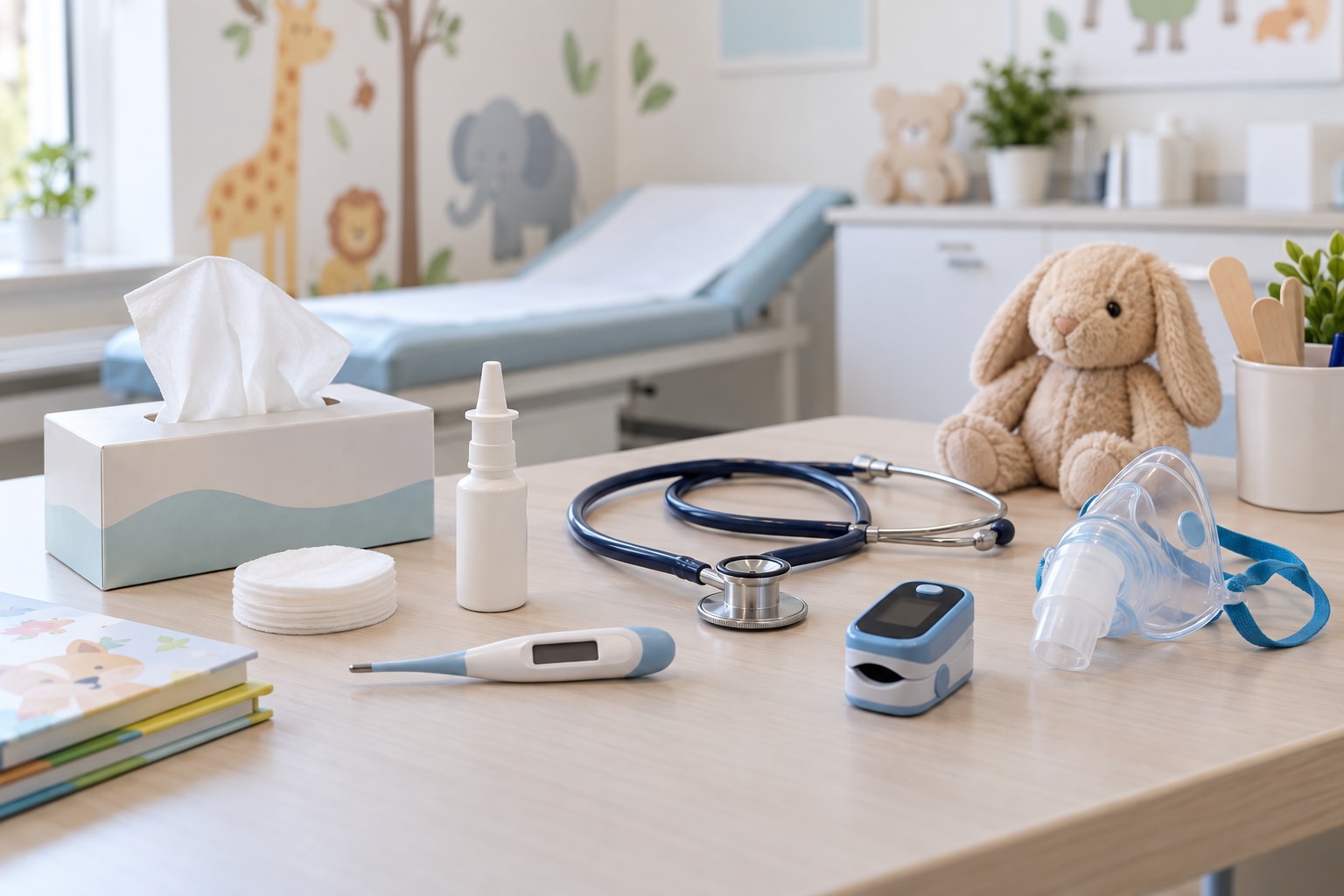
A child fever cough cold and allergy clinic in Baner visit begins with triage for severity, not an automatic prescription. The clinician checks temperature, heart rate, breathing rate, hydration and alertness. If respiratory illness is suspected, oxygen saturation is measured with a fingertip probe.
You will be asked how long symptoms have lasted, vaccination history, medicines already given, doses and times, sick contacts, and exposure to smoke, dust, pets, mould or other irritants. Breathing difficulty matters more than the fever number alone.
- Seek urgent escalation for chest indrawing, grunting, stridor, blue or grey skin or lips, inability to drink, seizures, marked drowsiness, or difficulty waking the child.
- A measured temperature of 38°C or more in an infant younger than 3 months warrants urgent medical assessment, even if the baby otherwise appears well.
- Ask where to go if the child’s breathing worsens, hydration falls, or alertness changes after leaving.
During a fever cough cold allergy clinic baner visit, staff may observe the child before deciding between routine follow-up and emergency care. A child who is breathing comfortably, drinking, alert and maintaining normal colour can often proceed to outpatient assessment; these signs do not replace a clinician’s examination.
How does the doctor tell a viral cold from a more serious illness?
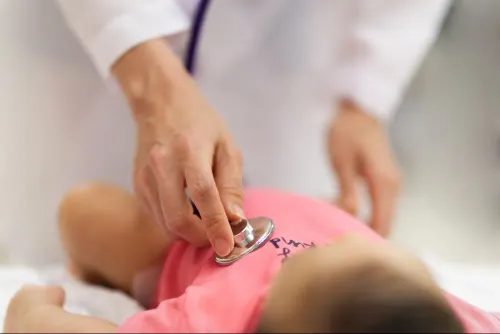
During a child respiratory illness doctor Baner visit, the clinician first builds a timeline: fever onset, cough and nasal discharge, sick contacts, vaccination, medicines given, feeding, urine output and previous wheeze or allergies. Vomiting, diarrhoea, ear pain, urinary symptoms or rash can point to a non-respiratory cause of fever.
The examination focuses on findings that change urgency and treatment:
- Viral upper-respiratory infection: a comfortable, alert child with good hydration, normal air entry and no significant breathing effort.
- Pneumonia: fast or laboured breathing, chest indrawing, crackles, reduced air entry, low oxygen saturation or a persistently unwell appearance.
- Asthma or wheeze: widespread musical wheeze, prolonged expiration and recurrent or trigger-related breathing difficulty.
- Bronchiolitis: wheeze or crackles with feeding difficulty and increased effort, especially in an infant.
- Croup: a barking cough and stridor, particularly when breathing in.
- Sinusitis: symptoms lasting more than 10 days without improvement; fever of at least 39°C with purulent nasal discharge for at least 3 consecutive days; or worsening after initial improvement.
- Another fever source: examination findings outside the chest, such as a painful ear, throat, abdomen, skin or urine-related symptoms.
Work of breathing, air entry, wheeze, stridor, hydration and general appearance often guide decisions better than a large test panel for every cough. Tests are chosen when the examination, age, severity or illness course makes them useful.
Which medicines and tests might be recommended?
A fever, cough, cold and allergy clinic in Baner should recommend treatment from the examination and illness pattern, not from the temperature alone. A clinician may order a targeted test, such as a flu test, throat test or chest X-ray, when the findings support it; a large test panel is not needed for every cough.
| Option | What it does | When it applies |
|---|---|---|
| Supportive care | Fluids, rest, nasal saline and smoke avoidance | Most uncomplicated viral colds and acute coughs |
| Paracetamol or ibuprofen | Relieves distress from fever or pain | Use one weight-based medicine when the child is uncomfortable, checking the product concentration |
| Antibiotic | Treats selected bacterial infections | Only when examination and illness course support a bacterial diagnosis |
| Honey | Soothes cough | Children older than 1 year; never give honey to an infant under 1 year because of botulism risk |
Antibiotics do not treat viral colds, influenza or most acute coughs, and unnecessary use can cause side effects and antibiotic resistance. Do not routinely combine or alternate paracetamol and ibuprofen. Avoid adult formulations, aspirin, and combination cough-and-cold products that duplicate ingredients and cause dosing errors.
Seek urgent reassessment for worsening breathing, dehydration, persistent fever or unusual sleepiness.
What happens during a paediatric allergy assessment?
A pediatric allergy visit in Pune starts by mapping the symptom pattern, not by ordering an allergy panel. It differs from a routine infection visit: itchy nose or eyes, repeated sneezing, clear watery discharge, and links to dust, pets, mould or seasons favour allergy; fever, body aches, a short illness and sick contacts favour infection.
Symptoms can overlap.
1. The clinician takes a detailed history of timing, triggers, duration, sleep, school or outdoor exposure, medicines and previous episodes. Examination of the nose, eyes, skin, chest and general appearance comes next.
2. Testing is considered only when a suspected allergen result would change management. Skin-prick testing places small allergen extracts on the skin; blood-specific-IgE testing measures immune sensitisation. A positive result shows sensitisation, not proof that the allergen causes the child’s symptoms.
3. Avoid broad allergy panels unless there is a clear clinical reason. They can produce misleading positive results, leading families to remove foods or restrict pets and environments unnecessarily.
4. Treat recurrent, night-time or exercise-related cough as a reason to assess asthma or another airway disorder, not as automatic evidence of allergy. A child respiratory illness doctor Baner consultation may use objective variable airflow testing, such as spirometry with bronchodilator assessment, when the child can perform it reliably.
In younger children, the clinician relies more on the symptom pattern, examination and response to treatment. A runny nose alone does not identify either allergy or infection.
How should you prepare for the visit and decide on follow-up?
Prepare for a child fever cough cold and allergy clinic in Baner visit by bringing:
- The temperature record and symptom timeline, including when fever, cough, nasal discharge or wheeze began
- Vaccination details, prior prescriptions, and every medicine’s name, concentration, dose and time given
- Allergy or asthma history, plus information about sick contacts, pets, dust, mould and smoke
- A short recording of noisy breathing or coughing during sleep or exercise, only when recording is safe
Before leaving, ask for the likely diagnosis, the exact dose and duration of each medicine, warning signs, review timing and whether testing is needed. Ask how to measure liquid medicine; “one spoon” is not a safe substitute for millilitres.
Routine follow-up suits a child who is alert, drinking, breathing comfortably and improving. Emergency escalation is different:
| Option | What it means | When it applies |
|---|---|---|
| Routine follow-up | Planned reassessment with the paediatrician | Symptoms are stable or improving and the child drinks and interacts normally |
| Same-day medical review | Prompt examination is needed | Fever persists, breathing worsens, intake falls or cough is recurrent at night or with exercise |
| Emergency care | Do not wait for a clinic appointment | Chest indrawing, grunting, stridor, blue or grey colour, seizures, inability to drink, marked drowsiness or difficulty waking |
Dr Pooja Gire Pediatrician Baner, Balewadi, Pune can provide evidence-based outpatient assessment and paediatric critical-care guidance when escalation is needed, but a clinic visit does not replace emergency services. A pediatric allergy visit in Pune is appropriate for recurring symptoms; breathing distress requires urgent care.
Frequently asked questions
What happens during triage when you arrive with a sick child?
The clinician checks temperature, heart rate, breathing rate, hydration and alertness. A fingertip probe measures oxygen saturation when respiratory illness is suspected.
How does the doctor tell a viral cold from a more serious illness?
The doctor reviews the child’s symptoms and duration, then examines breathing, hydration, alertness and other clinical findings before deciding whether further evaluation is needed.
Which medicines and tests might be recommended?
Recommendations depend on the examination and suspected cause. The doctor may discuss symptom-relief medicines or order tests when the clinical findings require them.
What happens during a paediatric allergy assessment?
The clinician reviews symptoms, timing, possible triggers and the child’s medical history before deciding whether allergy-focused evaluation or follow-up is appropriate.
How should you prepare for the visit and decide on follow-up?
Bring the child’s symptom timeline, current medicines, previous allergy information and relevant medical records. Ask when to return and which changes require earlier medical attention.