


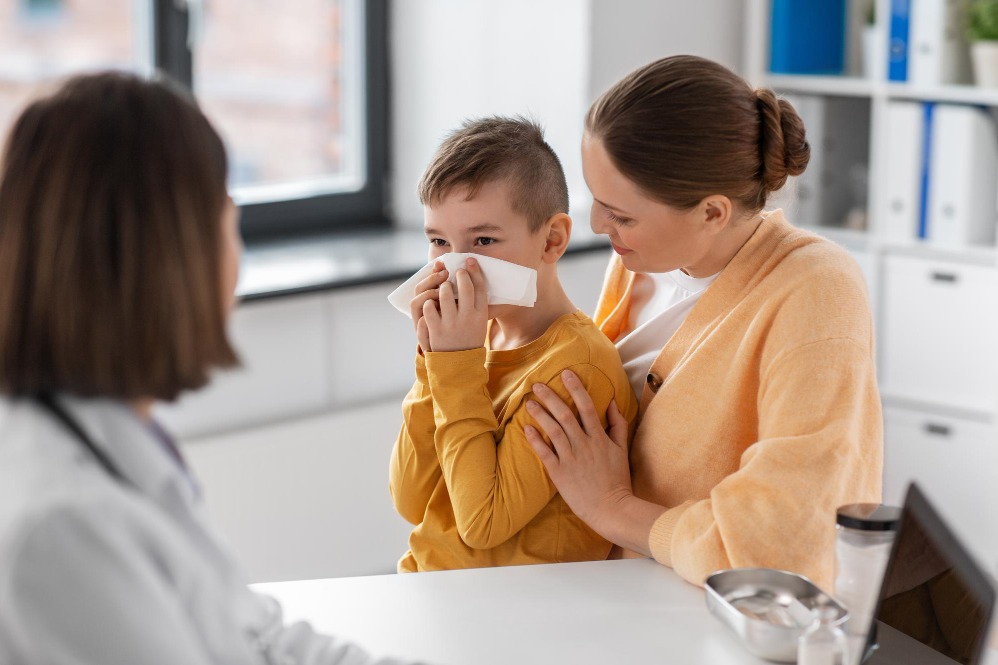
Repeated sneezing, nasal congestion, itchy skin, recurring rashes, wheezing, or reactions after particular foods can make parents wonder whether their child has an allergy. Seeking appropriate Childhood Allergy Treatment in Pune starts with identifying the pattern of symptoms rather than assuming that every recurring cough, rash, or stomach complaint is allergy-related.
Children can develop different types of allergic conditions, and symptoms may overlap with infections or other health problems. Proper evaluation therefore matters before long-term avoidance measures or medicines are introduced.
Keep a Record of Symptoms
One of the most useful things parents can do is document when symptoms occur.
Note details such as:
- What the child was doing beforehand
- Foods eaten
- Exposure to pets, dust, pollen, or other possible triggers
- Time between exposure and symptoms
- Type of rash or breathing problem
- Duration of symptoms
- Medicines given
- Whether the same pattern has happened before
Photographs of intermittent skin symptoms may also be useful during a consultation if the rash has disappeared by the time the child is examined.
Not Every Reaction Means an Allergy
A runny nose can occur because of a viral infection. A skin rash can have several possible causes. Stomach symptoms after eating may not necessarily indicate a food allergy.
Removing foods from a child's diet without appropriate assessment can unnecessarily restrict nutrition, particularly when several foods are eliminated.
The pediatrician can review the history and clinical pattern before deciding whether further evaluation is required.
Respiratory and Skin Symptoms May Need Different Approaches
Allergic conditions can affect different parts of the body.
Some children experience primarily nasal symptoms such as repeated sneezing, congestion, and itching. Others may develop skin manifestations, while some have respiratory symptoms such as wheezing.
Because the presentation differs, management should be based on the child's actual symptoms rather than using the same treatment approach for every suspected allergy.
Know the Signs of a Severe Reaction
Some allergic reactions can become serious.
A child who develops significant breathing difficulty, swelling involving the mouth or tongue, collapse, or rapidly progressing symptoms after a suspected exposure needs urgent medical attention.
Parents of children with a previously identified serious allergy should follow the emergency plan provided by their treating clinician.
Ask About Trigger Management
When a likely trigger has been identified, parents may need practical advice about reducing exposure.
The appropriate strategy depends on the allergy. Overly restrictive changes are not always beneficial, so management should focus on clinically relevant triggers rather than trying to eliminate every possible environmental exposure.
For families in Pune, Maharashtra, seasonal conditions, indoor dust exposure, school environments, food habits, and other everyday factors can all form part of the history discussed during evaluation.
Dr. Pooja Gire Pediatrician provides pediatric healthcare support for families managing common childhood health concerns, including symptoms that may require assessment for allergy-related conditions.
The most useful first step is accurate observation. Record what happens, when it occurs, how long it lasts, and whether there is a consistent trigger. That information can help the pediatrician distinguish a possible allergy pattern from other childhood conditions and guide the next stage of care appropriately.