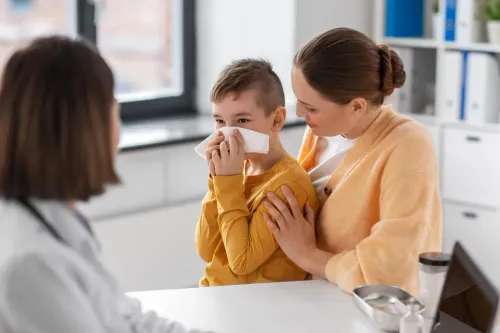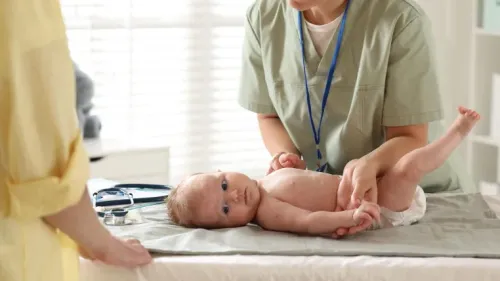


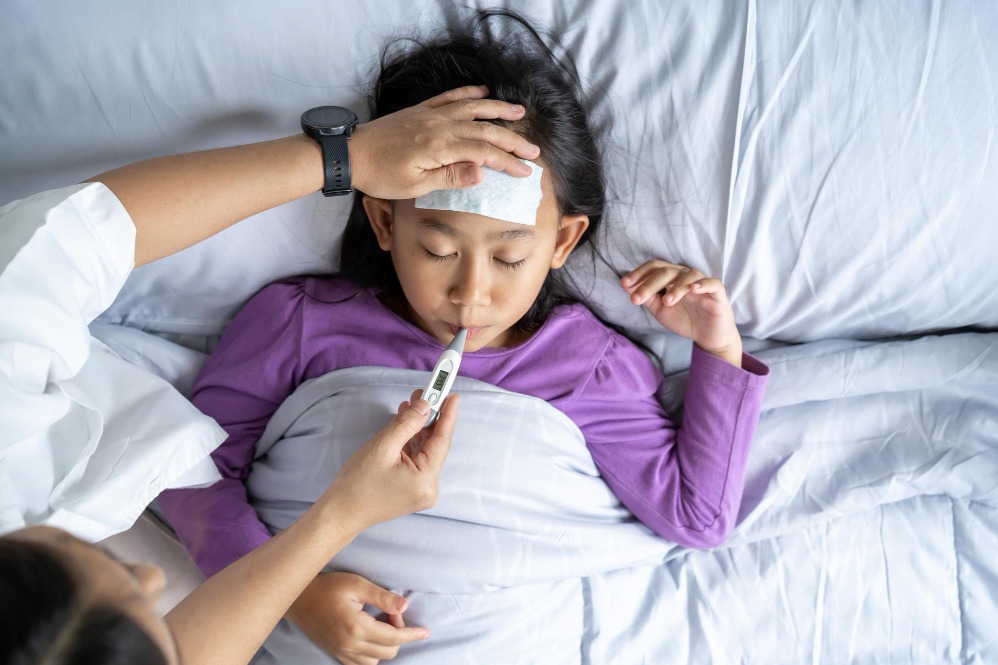
Fever is one of the most common reasons parents seek pediatric advice. It is also one of the symptoms most likely to cause anxiety, particularly when the temperature rises quickly or the child becomes unusually quiet. Understanding when Child Fever and Infection Treatment in Balewadi may be needed can help parents respond more appropriately.
Fever itself is a symptom, not a diagnosis. It can occur with many different illnesses, and the child's age, symptoms, hydration, behaviour, and medical history all influence how it should be evaluated.
Look Beyond the Temperature Reading
A higher number on the thermometer can understandably worry parents, but temperature is only one part of the clinical picture.
Observe how the child looks and behaves.
Important details include whether the child is drinking fluids, urinating normally, responding appropriately, breathing comfortably, and remaining reasonably alert.
A child who appears significantly unwell may require assessment even when the measured temperature does not seem extremely high.
Age Matters
Fever in a young infant deserves particular attention.
Because babies can sometimes become unwell quickly, parents should seek timely medical guidance for fever in very young children rather than relying solely on home remedies.
For older children, the duration of fever and accompanying symptoms become important.
Persistent fever or fever associated with breathing difficulty, dehydration, repeated vomiting, unusual sleepiness, seizures, severe pain, concerning rash, or significant deterioration warrants medical evaluation.
Avoid Using Antibiotics Without Medical Advice
Not every fever is caused by a bacterial infection.
Many common childhood infections are viral, and antibiotics do not treat viral illnesses. Unnecessary antibiotic use can cause side effects and contributes to antibiotic resistance.
A pediatrician evaluates the child's symptoms and examination findings before deciding whether investigations or specific treatment are appropriate.
Parents should also avoid giving leftover antibiotics from an earlier illness.
Hydration Deserves Attention
Children with fever may drink less than usual and lose additional fluid through sweating, vomiting, or diarrhoea.
Offer appropriate fluids according to the child's age and monitor urine output.
Signs such as very low urine output, persistent inability to drink, dry mouth, or marked lethargy deserve medical attention.
Keep Useful Information Ready
Before visiting a pediatrician, note:
- When the fever started
- Highest measured temperature
- How temperature was measured
- Medicines already given
- Vomiting or diarrhoea
- Cough or breathing symptoms
- Rashes
- Fluid intake and urination
- Any recent illness exposure
This information can make the assessment more efficient.
Families in Balewadi and the Pune region of Maharashtra can benefit from having a clear plan for both routine illness care and situations requiring prompt pediatric assessment.
Dr. Pooja Gire Pediatrician provides pediatric consultations for common childhood illnesses and related health concerns.
Parents do not need to identify the infection themselves. The more useful role at home is careful observation: monitor the child's overall condition, hydration, breathing, behaviour, and progression of symptoms, and arrange pediatric evaluation when concerning signs appear.