Children can fall unwell suddenly, but not every cough, mild fever, feeding change, or restless night requires the same level of medical attention. For parents, one of the most useful things to understand is when routine observation is reasonable and when a consultation with a Pediatrician in Baner should be considered.
Pediatric care is not limited to treating illness. It also includes preventive healthcare, vaccination guidance, monitoring physical growth, assessing developmental milestones, supporting nutrition, and helping parents understand changes that occur from infancy through adolescence.
For families living in Baner and surrounding parts of Pune, Maharashtra, having a regular pediatric care plan can make it easier to maintain a clear health history as the child grows.
Routine Pediatric Visits Matter Even When a Child Is Well
Parents often associate a pediatric appointment with fever, cough, stomach problems, or another immediate concern. However, routine visits have a different purpose.
During a scheduled child health check-up, the pediatrician may review:
- Height and weight progression
- Feeding and dietary patterns
- Vaccination status
- Sleep habits
- Age-appropriate developmental milestones
- Physical activity
- Behavioural changes
- Previous illnesses or recurring symptoms
Growth is better understood as a pattern rather than a single measurement. A child's height or weight at one appointment provides limited information. Measurements recorded consistently over time can help the pediatrician assess whether growth is progressing as expected for the child's age.
Symptoms That Deserve Medical Attention
Minor illnesses are common during childhood, particularly once children start interacting regularly with other children. However, parents should pay attention to changes in the child's overall condition rather than relying on one symptom alone.
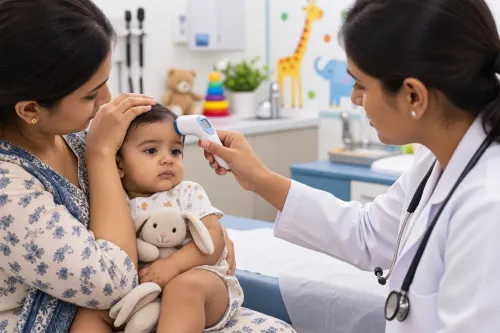
A pediatric consultation may be appropriate when a child develops persistent fever, repeated vomiting, unusual tiredness, difficulty feeding, reduced fluid intake, breathing difficulty, significant pain, persistent diarrhoea, an unexplained rash, or symptoms that are becoming worse rather than improving.
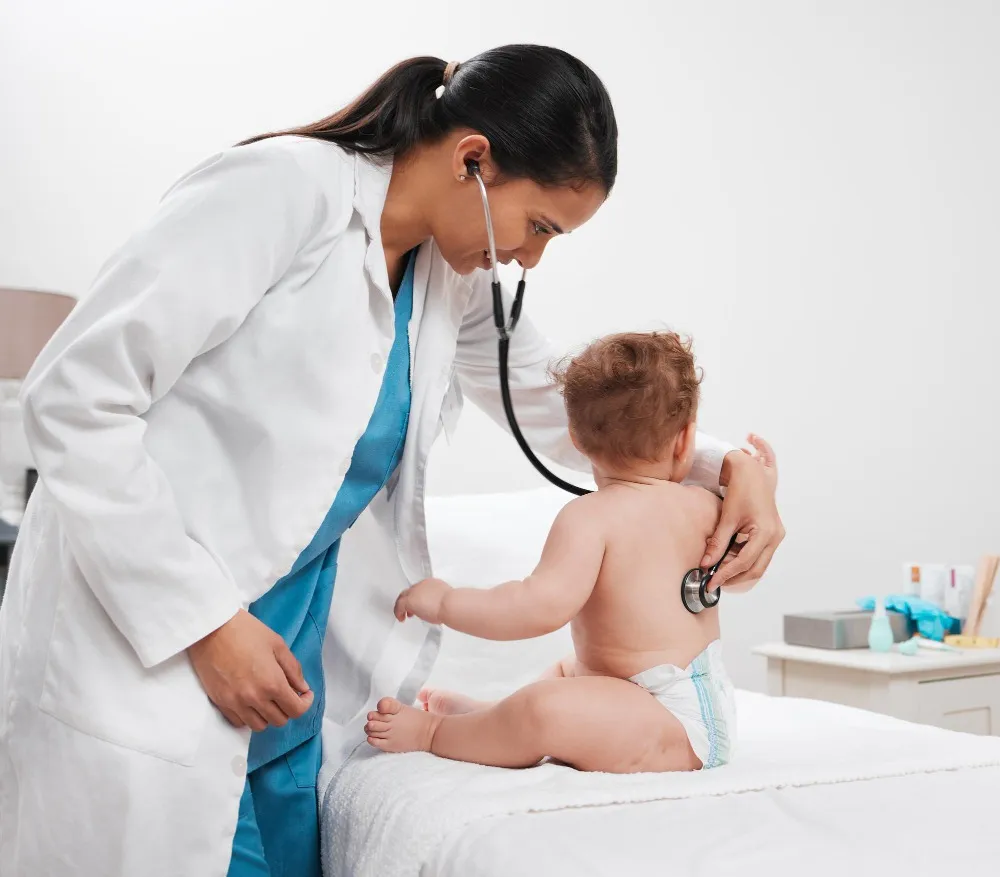
For babies, parents should generally have a lower threshold for seeking medical advice because young infants can sometimes become unwell quickly.
Why Continuity of Pediatric Care Helps
Seeing the same pediatrician regularly can provide useful clinical context.
When a doctor is familiar with a child's previous growth measurements, vaccination records, allergies, earlier infections, and developmental history, new symptoms can be evaluated alongside that background.
For example, repeated respiratory symptoms may need to be viewed differently from a child's first uncomplicated cold. Similarly, changes in appetite can be interpreted more accurately when the child's previous growth pattern is available.
Preparing for a Pediatric Appointment
Parents can make consultations more productive by bringing relevant information. Depending on the reason for the visit, useful details may include vaccination records, previous prescriptions, recent test reports, temperature readings, medication currently being taken, and a short timeline of symptoms.
For babies, information about feeding frequency, wet diapers, sleep, vomiting, and bowel movements can also be helpful.
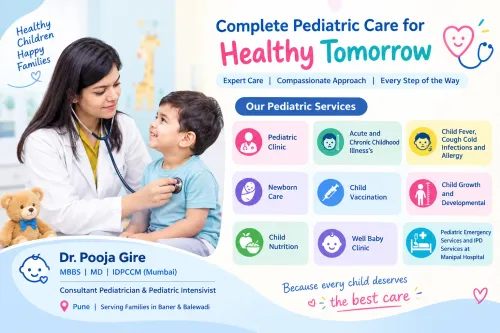
Dr. Pooja Gire Pediatrician provides pediatric care for families seeking child health guidance in the Pune region. Keeping routine pediatric appointments alongside timely illness consultations can help parents manage both preventive and immediate healthcare needs.
A pediatrician becomes particularly valuable when care is viewed as an ongoing process rather than something required only during illness. Regular monitoring gives parents an opportunity to discuss concerns early and understand what is normal for their child's stage of development.
Keywords