A pediatric consultation can involve much more than examining a child and prescribing medicine. Parents visiting a Pediatric Clinic in Balewadi may benefit from understanding what information to carry, what questions to ask, and what aspects of their child's health may be assessed.
Being prepared can make the appointment more useful for both the parent and the pediatrician.
Before the Appointment
If the child is visiting because of an illness, parents can make a simple note of when the symptoms began.
Useful information may include:
- Highest recorded temperature
- Frequency of vomiting or loose stools
- Changes in appetite
- Fluid intake
- Urination frequency
- Cough duration
- Breathing changes
- Skin rashes
- Medicines already given
Parents do not need to create a complicated medical record. A few accurate observations are often more useful than trying to remember everything during the consultation.
If possible, carry previous prescriptions, investigation reports, vaccination records, and information about known allergies.
What Happens During the Consultation?
The exact assessment depends on the child's age and symptoms.
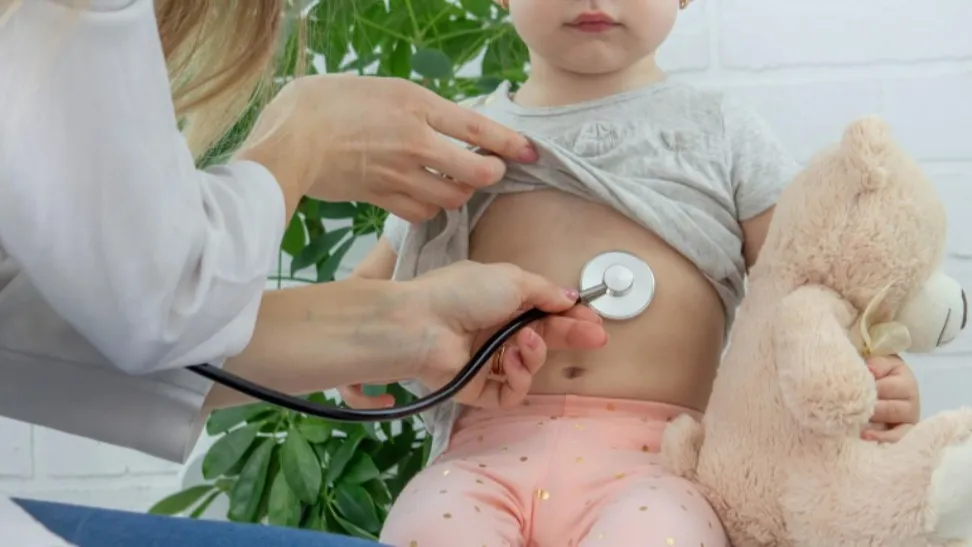
The pediatrician may ask about the current complaint before reviewing relevant medical history. Depending on the situation, the physical examination can include temperature, breathing, throat, ears, hydration, abdomen, skin, and other clinically relevant areas.
For infants and routine visits, weight, length or height, and head circumference may also be recorded where appropriate.
The purpose is to understand the overall clinical picture rather than treating one isolated symptom.
Ask Questions About Medicines
Medication instructions for children deserve particular attention because pediatric doses can depend on factors such as age, weight, medicine formulation, and clinical condition.
Parents should understand:
- How much medicine should be given
- How frequently it should be administered
- How long it should continue
- Whether there are specific administration instructions
- What to do if a dose is missed or vomited
- When reassessment may be needed
Avoid changing the dose independently because another child received a different amount of the same medicine.
Routine Visits Have a Different Purpose
A pediatric clinic also supports preventive healthcare.
During well-child appointments, discussions may include vaccinations, feeding, nutrition, sleep, growth, development, physical activity, and age-specific safety.
For parents across Balewadi and neighbouring Pune communities in Maharashtra, these visits provide opportunities to raise questions before they develop into larger concerns.
What Should Happen After the Visit?
Parents should leave the consultation knowing what they need to do at home.
That includes understanding medication instructions, hydration or dietary advice where relevant, follow-up timing, and warning signs that warrant medical reassessment.
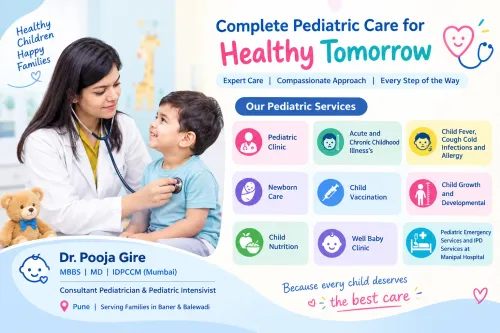
Dr. Pooja Gire Pediatrician provides child healthcare support for families seeking pediatric guidance in Pune. Keeping records from consultations can also help build a more complete picture of a child's medical history over time.
A well-prepared pediatric appointment is often more productive because parents can describe symptoms clearly and focus their questions on the information they need to manage the child's care confidently at home.
Keywords