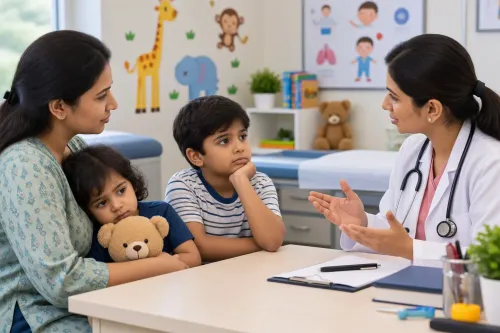
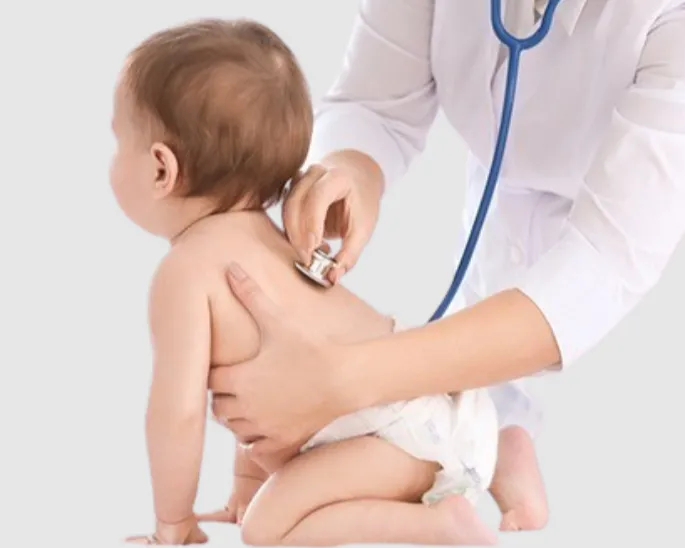
Choosing a pediatric doctor is an important decision because children's healthcare needs change considerably between the newborn period, toddler years, school age, and adolescence. Parents searching for a Child Specialist in Balewadi may therefore want to look beyond treatment for common illnesses and consider how well the clinic supports long-term pediatric care.
A useful starting point is understanding what comprehensive child healthcare involves.
Pediatric Needs Change With Age
A newborn appointment may focus heavily on feeding, weight gain, jaundice, sleep, and early vaccination.
For toddlers, attention gradually expands to speech, movement, behaviour, nutrition, toilet training, and developmental milestones.
School-age children may need support for recurring infections, allergies, nutrition concerns, growth patterns, physical activity, or school-related health issues.
Teenagers bring another set of considerations, including puberty, emotional wellbeing, nutrition, sleep habits, and lifestyle.
This is why continuity can be valuable. A pediatrician who follows a child across different stages can interpret new concerns within the context of the child's earlier health history.
What Should Parents Consider?
When evaluating pediatric care in Balewadi, consider whether the consultation provides enough opportunity to discuss both the immediate problem and relevant background.
Useful aspects include:
- Detailed assessment of symptoms
- Growth and development monitoring
- Vaccination guidance
- Infant feeding support
- Nutrition discussions
- Preventive health advice
- Clear explanation of prescribed medicines
- Guidance about symptoms that require follow-up
Communication is particularly important in pediatric medicine because parents are usually responsible for observing symptoms and administering treatment at home.
Look for Clear Explanations
Parents should understand why a medicine has been prescribed, how it should be given, and what changes they should watch for after returning home.
This becomes especially important when several medicines have different doses or timings.
It is also useful to know when follow-up is recommended. Some childhood illnesses improve with supportive care and monitoring, while others may require reassessment if symptoms continue or worsen.
Consider Preventive Care Too
A child specialist should not become relevant only when a child develops fever.
Preventive pediatric care includes reviewing immunisation, tracking growth, discussing age-appropriate nutrition, evaluating developmental progress, and identifying potential concerns during routine visits.
These appointments can also give parents a reliable opportunity to discuss questions that may not require an urgent consultation but still affect the child's wellbeing.
Convenience Matters for Families
For parents living around Balewadi in Pune, Maharashtra, practical factors also matter. Children may require several routine appointments during infancy and additional visits during illnesses.
A clinic that is reasonably accessible can make maintaining follow-up visits and vaccination schedules easier.
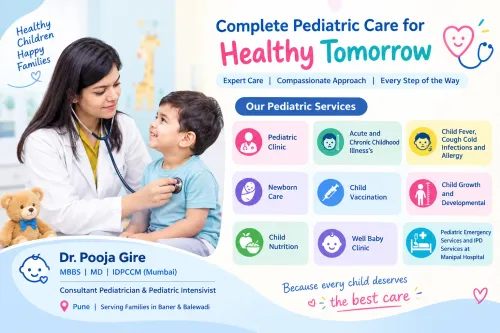
Dr. Pooja Gire Pediatrician supports families seeking pediatric consultations for children across different age groups. Parents can use pediatric visits not only to address current symptoms but also to understand their child's changing healthcare requirements.
The right child specialist relationship should help parents feel informed about what to monitor, when to return, and how routine preventive care fits into their child's overall health journey.
Keywords